The initiative, valued at 412 thousand US dollars, aims to strengthen technical-scientific education in Angola and prepare young people for the challenges of the energy industry and other strategic sectors of the national economy. It is expected to benefit more than 8,000 students by 2028.
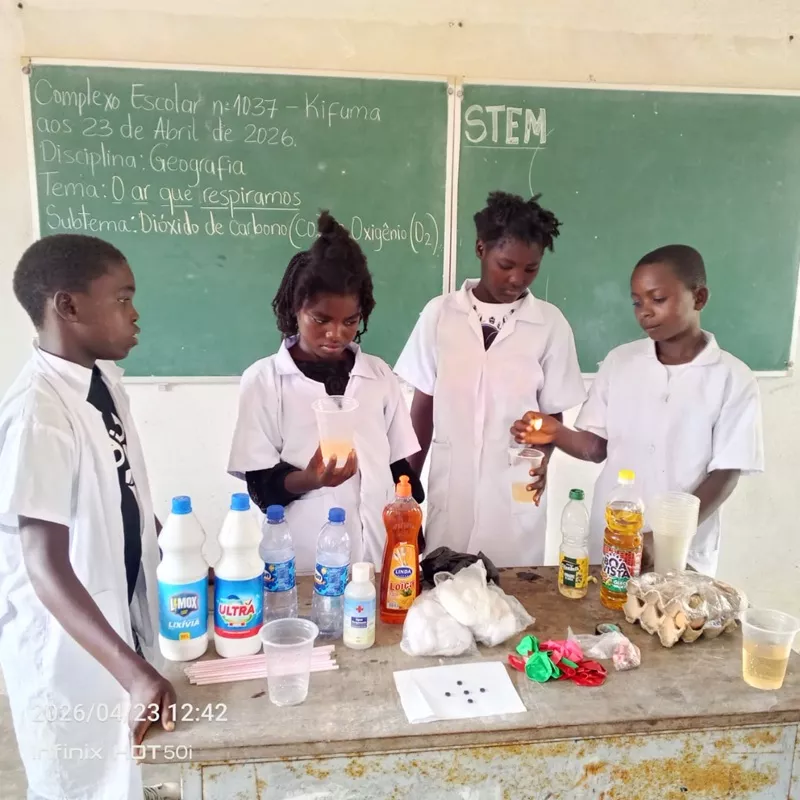
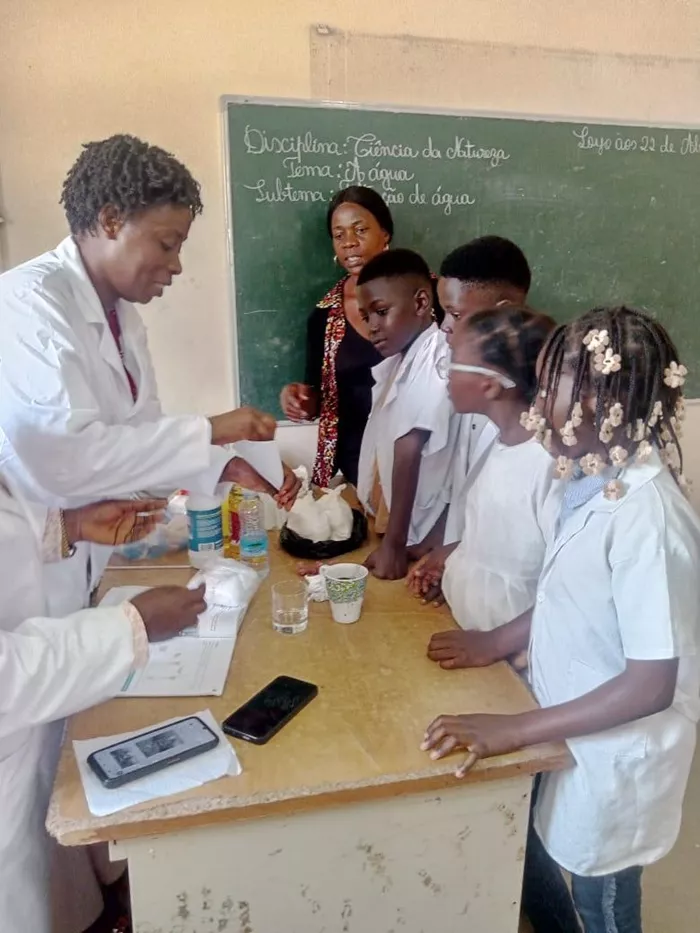
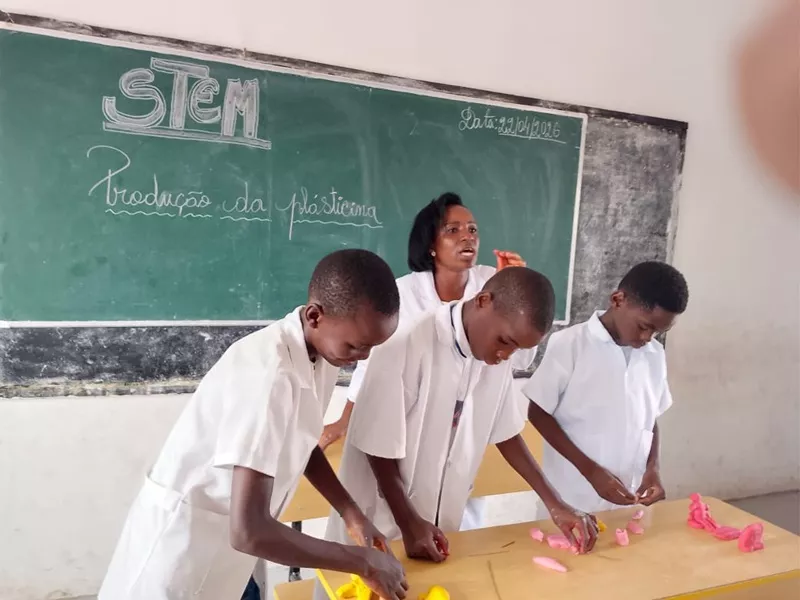
The first results of the program are already visible in Soyo schools, where primary, first and second cycle students, as well as those from technical institutions, recently took part in a science fair held at the ADPP Teacher Training School. During the event, students presented innovative projects developed using recycled and low-cost materials, demonstrating the practical application of scientific knowledge in solving everyday challenges.
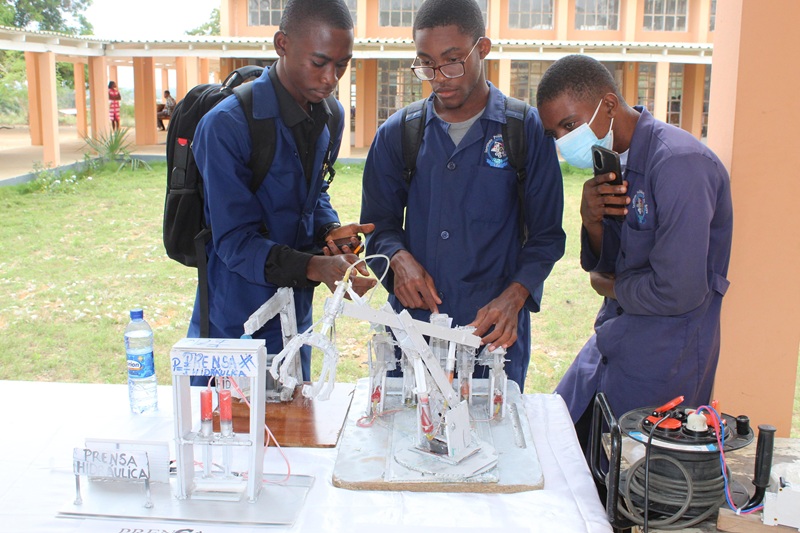
Among the projects presented, a hydraulic crane built by students from automation and instrumentation, mechanical and electrical maintenance, and natural gas processing stood out. Systems for water filtration and electricity production using accessible materials were also showcased.
Under the motto “Science, Technology, Engineering and Mathematics for all children and for life,” the initiative promotes more dynamic, experimental and student-centered teaching methods, encouraging skills such as creativity, critical thinking, and innovation.
Structured in two phases, the STEM Program began with a pilot project in the municipality of Soyo and is expected to expand to the provinces of Zaire and Bengo (Icolo and Bengo), with implementation planned through April 2028.
The Chairman of the Board of Directors of Etu Energias, Edson R. dos Santos, believes that “the future of the industry and the Angolan economy depends on the quality of its human resources,” highlighting the STEM Program as “a structural investment in training young people better prepared for the country’s technological challenges.”
The initiative, valued at 412 thousand US dollars, aims to strengthen technical-scientific education in Angola and prepare young people for the challenges of the energy industry and other strategic sectors of the national economy. It is expected to benefit more than 8,000 students by 2028.
The first results of the program are already visible in Soyo schools, where primary, first and second cycle students, as well as those from technical institutions, recently took part in a science fair held at the ADPP Teacher Training School. During the event, students presented innovative projects developed using recycled and low-cost materials, demonstrating the practical application of scientific knowledge in solving everyday challenges.
Among the projects presented, a hydraulic crane built by students from automation and instrumentation, mechanical and electrical maintenance, and natural gas processing stood out. Systems for water filtration and electricity production using accessible materials were also showcased.
Under the motto “Science, Technology, Engineering and Mathematics for all children and for life,” the initiative promotes more dynamic, experimental and student-centered teaching methods, encouraging skills such as creativity, critical thinking, and innovation.
Structured in two phases, the STEM Program began with a pilot project in the municipality of Soyo and is expected to expand to the provinces of Zaire and Bengo (Icolo and Bengo), with implementation planned through April 2028.
The Chairman of the Board of Directors of Etu Energias, Edson R. dos Santos, believes that “the future of the industry and the Angolan economy depends on the quality of its human resources,” highlighting the STEM Program as “a structural investment in training young people better prepared for the country’s technological challenges.”
With this joint initiative, Etu Energias, ANPG, and the Block 2/05 partners (Poliedro, Kotoil, Falcon Oil, and Prodoil) reinforce their commitment to education, the empowerment of Angolan youth, and the country’s sustainable development, positioning STEM training as an essential tool for building qualified human capital and strengthening national competitiveness.